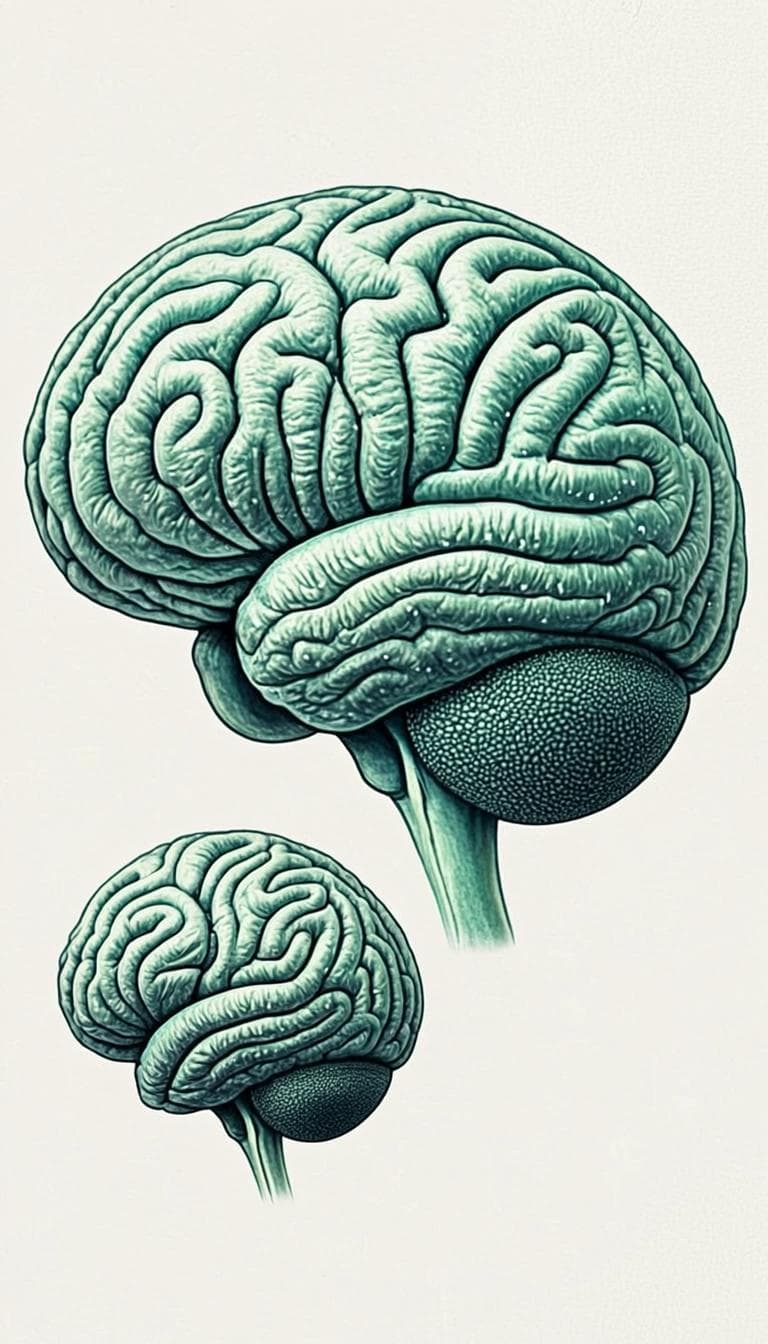
Why Anxiety Makes Everyone Look Suspicious

Have you ever noticed that when you're stressed, everything seems harder? People seem less friendly. Opportunities look like traps. Small setbacks feel like catastrophes. The world itself seems to shift from neutral to hostile. You might think you're just being negative. Pessimistic. Maybe even paranoid. But here's what's actually happening: your brain is running a different scanning protocol.
The Threat Detection System
Your brain has a built-in threat detection system. It's designed to keep you alive. When you're calm and regulated, this system operates in the background. It scans your environment for potential threats while still allowing you to notice opportunities, positive signals, and neutral information. But when you're anxious or stressed, the system shifts into overdrive. It becomes hypervigilant—constantly scanning for threats, risks, and danger. And once it's locked into threat mode, that's almost all it shows you.
What Is Attentional Bias?
Scientists call this phenomenon attentional bias. It's not that threats suddenly appear out of nowhere. They were always there. But your brain's filter has changed. It's now prioritizing threat-related information over everything else.
"Attention is not just what you notice—it's what your brain decides is worth showing you in the first place."
Here's what makes it particularly insidious: you don't experience it as a filter. You experience it as reality. The bias feels like accurate perception. Your brain is showing you "what's really there"—except it's only showing you a threat-weighted slice of what's there.
How Anxiety Narrows Your Focus
When you're anxious, your attentional spotlight narrows dramatically. Research shows several predictable patterns:
- •Threat vigilance: You notice potential dangers faster than someone who's calm.
- •Difficulty disengaging: Once you notice a threat, it's hard to look away or move on.
- •Interpretation bias: Ambiguous situations get interpreted negatively.
- •Memory bias: You remember threatening information more vividly than positive or neutral information.
This creates a feedback loop. The more anxious you feel, the more threats you notice. The more threats you notice, the more anxious you feel.
The Face Experiment
One of the clearest demonstrations of attentional bias comes from research on facial expressions. When researchers show people with high anxiety a series of faces—some angry, some neutral, some happy—their eyes consistently fixate on the angry faces faster and stay there longer. But here's the twist: neutral faces also start to look threatening. A face with no particular expression gets misread as hostile. A slight frown becomes a scowl. Someone lost in thought looks like they're judging you. Your anxiety isn't revealing hidden hostility in others. It's miscalibrating your perception.
Why Opportunities Become Invisible
The flip side of threat hypervigilance is opportunity blindness. When your system is locked in threat mode, information that doesn't relate to immediate danger gets filtered out. This includes:
- •Positive social cues from others
- •Potential solutions to problems
- •Resources you already have available
- •Alternative perspectives on situations
It's not that you're choosing to ignore these things. They literally don't make it through the filter to your conscious awareness. You can't consider options you don't see.
The 3-3-3 Attention Widener
When you notice your attention has narrowed to threats, use this quick reset:
- •Name 3 things you can see (not threats—just neutral objects)
- •Name 3 things you can hear (background sounds you weren't noticing)
- •Move 3 parts of your body (rotate ankles, roll shoulders, wiggle fingers)
This isn't distraction. It's widening your attentional aperture so you can see more of what's actually present.
From Threat Scan to Resource Scan
The goal isn't to eliminate threat detection. That system exists for good reason. The goal is to shift from pure threat scanning to balanced scanning—where your attention can notice threats and resources. Dangers and opportunities. Problems and solutions. This shift doesn't happen through positive thinking or forcing yourself to "look on the bright side." Those approaches don't address the underlying attentional bias. What works is training your nervous system to operate from a different baseline state—one where the threat detection system isn't constantly activated.
FAQ
Can medication help with attentional bias?
Some medications reduce overall anxiety, which can indirectly affect attentional bias. But research shows attention training produces lasting changes even without medication.
How long does it take to retrain attention?
Studies show measurable changes in 2-4 weeks of consistent practice. Full retraining typically takes 2-3 months.
Ready to Begin Your Journey?
Start training your nervous system with Quell's daily practice.
Start Training